Six Hours Up a Ladder vs Twenty Minutes at the Petrol Pump: What Happened to the Useful Man?
The Groan at the Pump
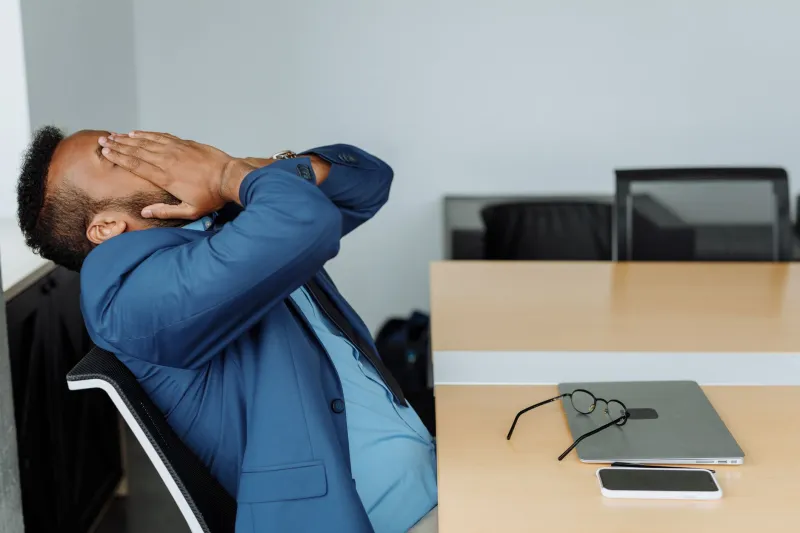
There's a moment every bloke over 35 knows intimately. You've pulled into the petrol station, you step out of the car, and as you reach back inside to grab the nozzle — or your phone, or a receipt — your lower back issues a formal complaint. It's not dramatic. It's just a small, involuntary sound. A groan. A grunt. The noise of a chassis that's stopped cooperating.
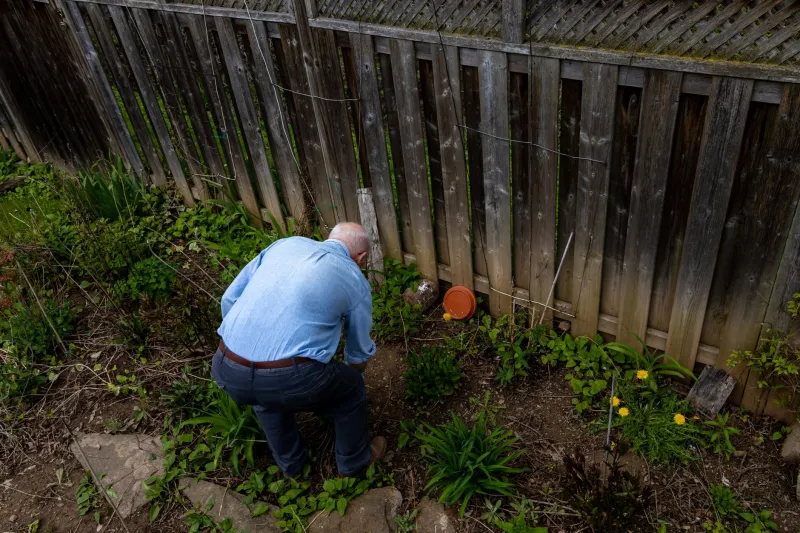
Now picture your dad. Or your grandad, if you want the full nostalgia hit. That man thought nothing of spending an entire Saturday fixing a fence panel, digging over the allotment, or hauling a washing machine up three flights of terraced stairs because his mate asked nicely. Six hours of graft, a squint at the sky, a brew, and back at it.
So what happened between his generation and ours? And more importantly — can we get any of it back?
The Shed Was an Unintentional Gym
Here's the thing nobody realised at the time: all that weekend manual labour was a full-body training programme disguised as a chore list.
Grip strength from carrying bags of cement. Hip mobility from kneeling on flagstones for hours. Core stability from holding a fence post plumb while swearing at it. Cardiovascular work from climbing ladders and hauling wheelbarrows. Recovery came from sleep, actual food, and the absence of a smartphone at 11pm.
None of it was called exercise. It was just being useful. And usefulness, it turns out, is one of the best strength-and-conditioning programmes ever invented — because it never stops, it's always varied, and it comes with a sense of purpose that no treadmill can match.
The Desk-Bound Decade
Fast forward to now. The average British man spends the bulk of his day in a chair — commuting, desk-bound, then slumped on the sofa for the evening's telly. Our bodies have adapted to exactly that: short hip flexors, a rounded upper back, glutes that have effectively gone on strike, and circulation that's running on the bare minimum.
The cruel irony is that we're more tired than ever despite doing less. Movement generates energy — blood flow, oxygen, that general sense of aliveness. Sit still long enough and your body stops bothering to generate any of it. Hence the groan at the pump. Hence the Sunday afternoon where you can't face the tip run you promised yourself.
The Gap Between 'Doing Things' and Dreading Them
There's a quiet dividing line among men our age. On one side: the blokes who still do things — the ones who'll spend a weekend building a raised bed, who take the stairs without thinking, who open stubborn jam jars on the first attempt. On the other: the ones who've started negotiating with themselves about whether the bins really need taking out right now.
The difference isn't age. It's the accumulation of small daily habits:
- Grip. Squeezing a mouse all day doesn't count. Carry heavy shopping bags instead of using the trolley. Open your own jars.
- Mobility. Ten minutes of stretching in front of Match of the Day beats an hour of guilt about not going to the gym.
- Blood flow. Standing up every half hour, a proper walk at lunchtime, and — yes — giving your circulation some actual support rather than hoping for the best.
None of these are glamorous. All of them compound.
Bridging the Gap Without Becoming a Gym Bro
Let's be honest: most of us aren't going to suddenly take up manual labour as a hobby. The fence still needs fixing though, and the car boot still needs loading, and you'd quite like to get through a round of golf without your lower back filing a grievance.
The realistic bridge looks like this: move more throughout the day rather than in one heroic burst, eat like someone who plans to be alive in twenty years, sleep properly, and consider sensible supplementation alongside it. Plenty of men are turning to targeted daily support — circulation-friendly nutrients, natural energy boosters, the kind of thing you can actually remember to take because it comes as a gummy rather than a horse-sized tablet. It's not magic. It's just tipping the scales back in your favour.
Being Useful Is the Goal
Here's the quiet truth underneath all of it: your dad's generation wasn't fitter because they were tougher. They were fitter because their lives demanded it, and their bodies rose to the demand.
Ours don't demand anything anymore — which means we have to volunteer. Not for vanity. Not for a beach body. But because there's something deeply undignified about a man who can't carry his own suitcase, who dreads a flight of stairs, who groans his way through a weekend that should be his to enjoy.
Fuel your vitality. Own your confidence. And maybe, just maybe, get back to being the bloke who can fix a fence without needing a week to recover from it.
Your old man would expect nothing less.